
Gather Your Life Insurance Options in Glendora, CA
Answer a few short questions in about two minutes, and you'll hear back with options for term life, whole life or final expense coverage. It works the same in Glendora as it does in Covina, San Dimas or La Verne, and you decide what, if anything, to apply for.
- A few short questions
- No obligation to buy
- California-licensed agents
- You set the pace
Coverage options for Glendora families
Answer six short questions and a licensed agent will follow up with options that fit your situation.
- Takes about two minutes
- No obligation to buy
- Your details stay private
Free, no obligation
See your coverage options
Six short questions. About two minutes.
Where We Connect You With Agents
Besides Glendora, we serve Covina, Azusa, San Dimas, La Verne, Duarte, Vincent, Citrus, Charter Oak, Pomona and West Covina. Whichever of these places you live in, you answer the identical questions, and your details travel to an agent by the same route.
- Glendora
- Covina
- Azusa
- San Dimas
- La Verne
- Duarte
- Vincent
- Citrus
- Charter Oak
- Pomona
- West Covina
Life insurance agents hold their licenses through the state, so whatever town you're in, the person who follows up is licensed in California.
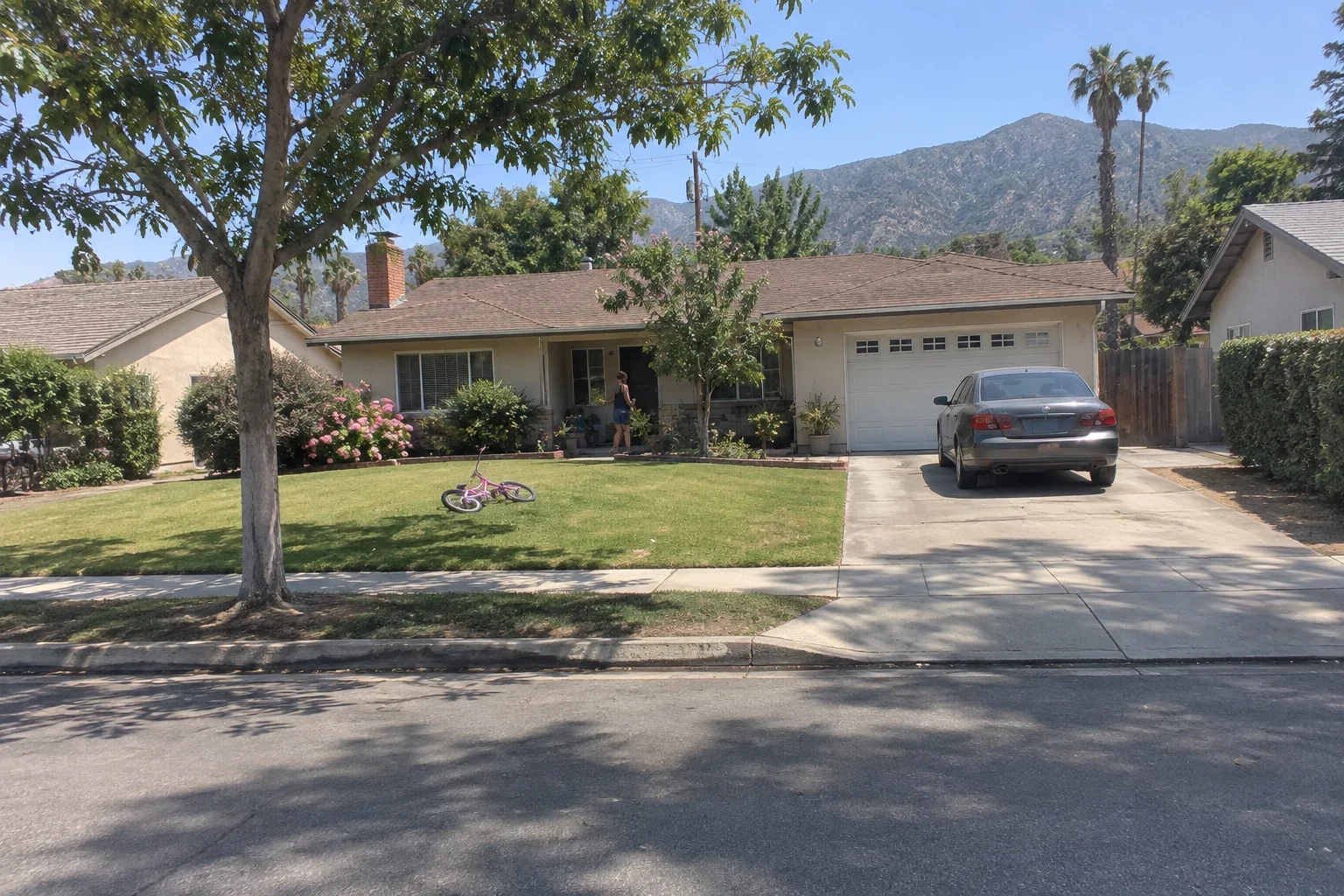
Three Kinds of Policy, Three Different Jobs
Term life covers a fixed number of years you pick, often matched to a mortgage or to the years children live at home, and it pays only if the insured person dies inside that window. Whole life stays in force for your lifetime as long as premiums are paid, and it builds cash value, which the agent who contacts you can explain in detail. A final expense policy is a small whole life plan sized for funeral costs, while universal life also lasts for life but lets the premium and the coverage amount be adjusted. Term Life Insurance, Whole Life Insurance and Final Expense Insurance each get their own page with more depth.

Term Life Insurance
Coverage for a set number of years, often 10, 20 or 30, sized to the debts and income your family relies on for a known stretch of time.

Whole Life Insurance
Coverage with no end date that also builds cash value, plus the questions worth asking before you choose a whole life policy.

Final Expense Insurance
A small whole life policy sized to a funeral and final bills, often with a shorter application than most life insurance.
From the Short Form to a Policy
Getting life insurance tends to follow the same sequence. Here is what typically comes after you answer a few questions through our short form.
- 1
Fill in the short form
In about two minutes you give the starting details: where you live, the coverage you're considering, your marital status, a beneficiary and your birth date. No application is made at this point.
- 2
An agent reaches out
A licensed agent who works in your town follows up with the details you supplied. You talk about what the coverage needs to do, and the agent sets out the policy types that suit it. Ask here about term lengths, cash value or anything unclear.
- 3
Applying and answering health questions
Should you decide to apply, the application covers your medical history, current prescriptions and any tobacco use. Certain policies require a medical exam as well, typically a brief visit for height, weight, blood pressure and a blood or urine sample. No-exam policies are available, but they tend to cost more or pay less.
- 4
The insurer makes its decision
Underwriters at the insurance company go over the application and any exam results. They approve it, offer it in a different rate class or turn it down, and we play no part in that.
- 5
Your policy is issued
Once approved and accepted, the policy is issued showing the premium, the coverage amount and the named beneficiary. Read every page and store it where your beneficiary will be able to locate it.

Who Runs This Service
Life Insurance Glendora is free for you to use. What we do is link you to a life insurance agent who holds a California license and works in your area. We are not an insurance company and not an agent, and we don't sell, price or recommend any policy.
Our part ends with the introduction. Your answers go to an agent who covers your town, and every conversation after that takes place between the two of you. The About page explains in more detail how your details are handled and who will be on the other end.
How the Service Works for You
Our job is narrow: linking you with an agent licensed in California who works on life insurance in your area. The form stays short because each question serves a purpose.
Every question earns its place
The form covers five points: the state you live in, the coverage amount you're weighing, your marital status, the beneficiary and your birth date. Your birth date sets your age band, among the first inputs an insurer uses in pricing. The amount and the beneficiary show the agent the policy's purpose before you've spoken.
Matched to a California license
Each state licenses its own agents, so anyone in Glendora needs an agent licensed in California. Your answers are routed to agents working in your area, which saves you a conversation that couldn't go anywhere.
Facts before any pitch
We don't rank policies or nudge you toward a type. Each policy page lays out what that kind is designed to do, so you can arrive at the conversation with your questions already listed.
You keep the final say
Sending the form doesn't start an application. You can hear what's on offer, take time to think it over and compare it with any coverage you already have.
Questions People Ask Before They Start
Something not covered here? Ask us
Do I pay anything to use the service?
Nothing. The form carries no charge, and hearing your options doesn't commit you to buying. If you go ahead with a policy, your premiums are paid to the insurance company under that policy's terms.
How much coverage do people usually look at?
One rule of thumb is to add several years of income to whatever debts are still owed, a mortgage included. That is a rule of thumb, not advice for your situation. As an example only: Glendora's median household income is $111,915, so a household earning about that would begin at several multiples of it and then add the mortgage balance, which may be large where the median home value is $820,800. The agent can help check an amount against your real figures.
Why do people buy life insurance in the first place?
Common reasons include keeping a household's income going if an earner dies, clearing the mortgage, meeting what children will cost, covering a funeral and passing money on to relatives. Plenty of people have two or more of these at once. The reason tends to steer the choice: a debt that ends on a known date often leads toward term life, while funeral costs on their own lead toward a smaller policy.
Does my beneficiary owe income tax on the money?
Under federal law, money paid out to a named beneficiary is generally not counted as income. The way the policy is owned and paid for can change that, so ask a tax adviser about your own situation.
Can I cancel a policy after it's issued?
Yes, within a set window. Every policy includes a free-look period of at least 10 days, and canceling inside it gets you back the premium you paid. The policy itself states the exact length, so look for it when the documents reach you.
Why does the form ask for a beneficiary's name?
Your beneficiary is whoever would receive the money. Giving a name early tells the agent whom the coverage is for and lets the application be filled in correctly should you decide to apply. Most policies allow the beneficiary to be changed later through a form sent to the insurance company.
Six Inputs Behind a Premium
Two questions sit under every premium: how likely the insurer is to pay a claim while the coverage is in force, and how large that claim would be. The six inputs below carry most of the weight. You won't find figures here, because pricing is outside what we do.
The insurance company sets the coverage, the price and whether to approve, not us. After you send your answers, the agent can walk through how each input applies in your case.
- Age on the issue date
- A younger applicant generally pays less, because the insurer expects more years before any claim. On level-premium coverage the rate is typically fixed at the age you were when the policy started, so waiting a few years tends to raise the cost of the same amount.
- Health history
- The application looks at present conditions, prescriptions and past diagnoses. A condition linked to a higher chance of an early claim can push the premium up or narrow the list of policies available.
- Tobacco
- Insurers usually place anyone who uses tobacco in a separate rate class, based on its documented effect on life expectancy. The question normally reaches back over several recent years, not just to what you do today.
- How much coverage
- A bigger amount means a bigger potential claim, and the premium climbs to match. It doesn't always climb in a straight line, so comparing two or three amounts can be revealing.
- Years of term
- With term life, each added year is another year a claim could fall inside the window. Stretching the term from ten years out to thirty generally raises the premium for an identical amount.
- Type of policy
- Lifelong coverage carries a higher premium than coverage that ends after a fixed span, since the insurer expects to pay eventually instead of only if death occurs during the term. Whole life also builds cash value, and part of the premium goes toward that.
Put a Number and a Name to It
Decide roughly how much coverage you're picturing and whom it should go to, and the options follow from there. Applying for anything remains your call alone.